
Best Diets and Foods for Rheumatoid Arthritis (RA): What Actually Helps Inflammation

Updated: Sep 18
By Cristina Montoya, RD — Arthritis Dietitian
Originally published: September 21, 2021
Updated: January 20, 2026, to reflect the emerging evidence on nutrition and rheumatoid arthritis.

How many times have you been told to "eat an anti-inflammatory diet" to treat your Rheumatoid Arthritis (RA)?
For nearly 20 years, I've heard this all the time. It's frustrating when everyone seems to have different opinions on what you should or shouldn't eat every single day.
While there is no miracle diet that can cure RA, research shows that certain anti-inflammatory dietary patterns and foods can help:
Support your joints and immune system
Improve pain and fatigue
Enhance the effectiveness of RA medications
Lower cardiovascular disease risk (which is higher in RA)
Let's learn what the evidence is saying about diet and RA.
What is Rheumatoid Arthritis and Why Does Diet Matter?
Rheumatoid Arthritis is a chronic, systemic and often disabling autoimmune disease that causes joint pain, stiffness, swelling, extreme fatigue, fever, weight fluctuations, and reduced quality of life.
Unlike osteoarthritis, RA is driven by immune-mediated inflammation and can affect organs beyond the joints, including the heart, lungs, kidneys, and blood vessels.
This is why RA is associated with a significantly higher risk of cardiovascular disease.
Common RA risk factors include:
Family history of RA or other rheumatic diseases
Smoking
Gum disease (periodontitis)
Certain infections
Hormonal changes (especially in women)
Obesity and metabolic dysfunction
Because RA is multifactorial, no single diet can “treat” or cure the disease.
But nutrition plays a meaningful role in supporting:
Inflammation modulation
Gut microbiome health and diversity
Cardiometabolic risk
Bone and muscle support
Energy and weight stability
The Best Diet for Rheumatoid Arthritis
When patients ask, “What is the best diet for rheumatoid arthritis?”
The most evidence-based answer today is still:
A Mediterranean-style, plant-forward eating pattern that is adapted to the individual.
Among all dietary patterns studied in rheumatoid arthritis, the Mediterranean Diet has the strongest and most consistent body of evidence.
The 2022 ACR guidelines recommend the Mediterranean Diet for people living with RA, based on low-to-moderate quality evidence showing some improvements in:
Pain
Physical function
Fatigue and vitality
Overall quality of life
Why the Mediterranean Diet Works for RA
The Mediterranean Diet works through multiple nutrient and gut-mediated pathways, including polyphenols, omega-3 fats, monounsaturated fats, fibre-derived short-chain fatty acids (SCFAs), and immune cell modulation.
All of which may influence inflammatory signalling in rheumatoid arthritis (Fig 1). Additionally, this dietary pattern offers other benefits:
Non-restrictive and adaptable, making it more sustainable over the long term
High in anti-inflammatory nutrients, such as omega-3 fats, fibre, antioxidants, and polyphenols
Enhances gut health by boosting microbiome diversity and short-chain fatty acid (SCFA) production
Protects heart and metabolic health
This matters because:
💡 Rheumatoid arthritis is an independent risk factor for cardiovascular disease, with a risk magnitude comparable to smoking and obesity.
Ultimately, your eating patterns should aim not only to reduce joint inflammation but also to protect your cardiovascular system and long-term health.

What “Mediterranean Diet-Style” Means in Practice
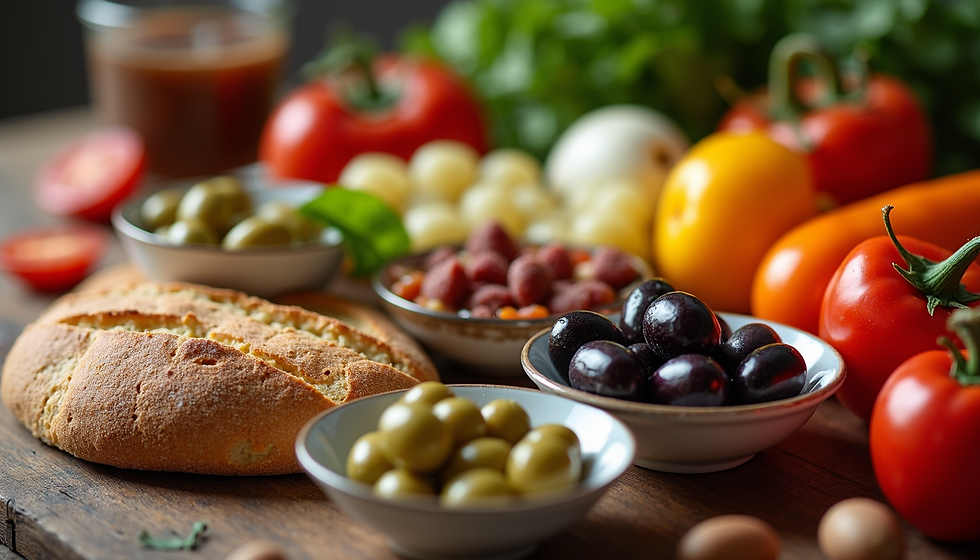
The Mediterranean Diet is a way of living rather than a diet; it encompasses physical activity, social interactions, and the enjoyment of meals with loved ones. Nutritionally, it focuses on:
Vegetables, fruits, whole grains, legumes, nuts, and seeds
Extra-virgin olive oil as the main fat source
Regular consumption of fatty fish and seafood
Moderate yogurt, cheese, eggs, and poultry
Herbs and spices for flavour and polyphenols
Minimal ultra-processed foods, refined sugars, and processed meats
Accommodates small amounts of red meat and red wine.
It can be tailored to individual culture, preferences, digestive comfort, energy levels, and everyday life, particularly when guided by a Registered Dietitian.
Start Your Mediterranean Diet
This article describes 8 ways to start your anti-inflammatory way of eating.
What Other Diets Are Recommended for RA?
Several other plant-forward and gut-focused dietary interventions, including vegan and vegetarian diets, have also been studied in rheumatoid arthritis.
Most share common features:
Higher fibre intake
Reduced ultra-processed foods
Improved fat quality
Increased intake of whole plant foods
These changes can support the gut microbiome and increase short-chain fatty acid (SCFA) production, which plays a role in immune regulation and the control of inflammation.
Unfortunately, some include eliminating perceived autoimmune triggers such as gluten, lectins, nightshades, and seed oils.
Beyond a Mediterranean Diet: The Anti-Inflammatory Diet (ITIS diet)
The anti-inflammatory diet (ITIS diet) is based on the Mediterranean diet, but modified with:
Higher consumption of omega-3 polyunsaturated fatty acids (PUFA) and monounsaturated fatty acids (MUFA)
More anti-inflammatory spices (turmeric, powder black pepper, paprika, ginger) and dressings, enzymatic fruits (pineapple and papaya), and gluten-free whole grains, except for German rye bread.
Exclusion of nightshade vegetables (like eggplant, tomatoes, and potatoes), dairy products, and red meat, with the exception of yogurt.
Meal Structure: The diet included daily green juices in the morning, three main meals, and two snacks. It focused on fast digestion by dissociating grains from proteins. Although there is no evidence that such a strategy is necessary to maximize nutrient absorption.
From my patient's viewpoint, this diet might appear as just another restrictive plan they've "tried and failed."
The study included a small group of patients who were given many of the food items, and there was uncertainty about the long-term sustainability and adherence to complete dietary changes.
Why the Plants for Joints Study Stands Out
One of the most compelling trials that I've seen for RA is the Plants for Joints randomized controlled trial from the Netherlands, which involved:
A whole-food, plant-forward eating pattern
Structured physical activity
Behavioural counselling and psychotherapy-guided support
Participants showed meaningful improvements in:
Systemic inflammation
Insulin resistance
Lipid profiles
Body weight and waist circumference
Overall metabolic health
What makes this study particularly significant is its focus on the whole person, rather than solely on the disease and another elimination diet.
The Plants for Joints trial validated that sustainable change requires a combination of nutrition, movement, and psychological and behavioural support
Foods That May Worsen Inflammation in RA
A diet and lifestyle high in ultra-processed foods, refined sugars, trans fats, excess salt, alcohol, and artificial sweeteners are linked to reduced gut microbial diversity, loss of beneficial bacteria, increased intestinal permeability, and higher systemic inflammation.
These changes may contribute to worsening fatigue, increased pain, gut dysbiosis, reduced response to RA therapies and greater cardiometabolic risk.
💡This doesn’t mean these foods must be eliminated forever.
What matters most is your overall eating pattern, frequency, and individual tolerance.
1. Ultra-Processed Foods
Ultra-processed foods are high in refined carbohydrates, trans-fats, sodium, and additives. They are linked to increased C-reactive protein (CRP) and other inflammatory markers.
Emulsifiers and additives may disrupt the gut barrier and promote dysbiosis.
Diets rich in these foods are associated with obesity and insulin resistance, worsening RA disease activity.
2. Refined Sugars and Sugary Beverages

For individuals with RA, consuming too much sugar or refined carbohydrates, especially from sweetened drinks, can worsen inflammation by disrupting gut bacteria and boosting inflammatory cells.
High sugar intake reduces healthy gut bacteria, like Prevotella, potentially affecting inflammatory pathways linked to RA.
Excessive sugar triggers macrophages to release inflammatory chemicals.
Sugar-sweetened beverages also contribute to RA development and increase the risk of seropositive RA.
3. Trans Fats and Excess Omega-6 Fatty Acids
Industrial trans fats and excessive omega-6 fatty acids (from refined seed oils and fried foods) increase pro-inflammatory eicosanoid production and are linked to endothelial dysfunction and cardiovascular disease risk.
4. Excess Red and Processed Meats
High intakes of red and processed meats are associated with:
Higher levels of inflammatory biomarkers.
Increased cardiovascular risk.
Greater production of trimethylamine N-oxide (TMAO), which is linked to vascular inflammation.
⏭️Red meat has been suggested to be limited to 1-2 times per month.
5. Excess Salt
Eating excessive amounts of salt can increase inflammation in RA by boosting the energy-hungry, pro-inflammatory T cells and weakening the T cells that help calm inflammation.
⏭️Limit salt intake to less than 2000 mg /day.

Evidence-based Anti-Inflammatory Foods that Support Rheumatoid Arthritis
Based on current evidence, the following foods are considered beneficial for rheumatoid arthritis:
Fatty Fish (Omega 3s and Joint Inflammation)
Cold-water fatty fish such as salmon, tuna, herring, sardines, and mackerel are rich in essential Omega-3 fatty acids, including Eicosapentaenoic Acid (EPA) and docosahexaenoic acid (DHA).
Omega-3s may play an important role in reducing inflammation and regulating autoimmunity.
A 3-oz serving of Atlantic salmon contains about 1240mg DHA and 590 mg EPA.
No need to take that fish oil cap at dinner time!
Flax, Chia, and Hemp Seeds

Flax seeds, hemp seeds, and chia seeds are excellent sources of plant-based Omega-3 alpha-linolenic acids (ALA).
ALA can be converted by the liver into the more bioavailable fatty acids EPA and DHA, but the process is not very efficient.
These seeds are also rich in magnesium, manganese, and thiamin, an essential vitamin involved in carbohydrate metabolism and energy supply.
Supplements containing DHA+EPA from algae, like NutraVege, offer an alternative source of Omega-3 fatty acids for individuals following a vegetarian or vegan diet.
Extra Virgin Olive Oil
Extra virgin olive oil (EVOO) is rich in oleocanthal, which shares properties with non-steroidal anti-inflammatory drugs.
EVOO also contains anti-inflammatory polyphenols, antioxidants, and unsaturated fatty acids. If the robust flavour of EVOO is too strong for you, classic or light olive oil is a suitable alternative.
A guide to selecting olive oil 👇🏽Click on each image!
Are all olive oils the same? Extra virgin olive oil benefits Light olive oil Classic olive oil 
Buying and storing olive oil
Other unsaturated oils with anti-inflammatory properties include those made from avocado, chia seeds, flaxseed, hemp seed, and tea seed. Note that chia and hemp oils must be refrigerated.
Berries and Polyphenols
Berries such as cherries, blueberries, blackberries, strawberries, and raspberries contain an antioxidant called anthocyanin, which has anti-inflammatory properties.
Foods high in anthocyanins can enhance blood flow in the brain areas responsible for emotional regulation.
Berries not only help decrease inflammation but also elevate your mood.
Try the Very Berry Chia Jam on your pancakes, toast, or oatmeal.
Yogurt, Cheese and Gut Microbiome
Yogurt and cheese are rich in calcium, vitamin D, phosphorus, and protein, which are essential for bone and muscle strength.
Consuming low-fat Greek yogurt with 2-3% milk fat after meals helps manage food cravings by improving satiety.
The beneficial bacteria in yogurt also help increase the diversity of the gut microbiome.
Try this delicious way of incorporating yogurt into your life: Crispy Quinoa Breakfast Bowl.
Legumes and Low-Glycemic Carbs
Legumes such as chickpeas, black beans, white beans, and red kidney beans have a low glycemic index.
Foods with a low glycemic index break down carbohydrates slowly, minimizing rapid blood sugar spikes.
Legumes are also known to lower C-Reactive Protein (CRP) levels, a biomarker of inflammation.
Nuts and Antioxidants
Nuts are compact sources of powerful nutrients with antioxidant and anti-inflammatory benefits.
Almonds are high in monounsaturated fats and vitamin E, an excellent antioxidant.
Brazil nuts and cashews are high in selenium, another potent antioxidant.
Cashews contain less fat than other nuts, and their content of anacardic acid may help improve insulin sensitivity and lower inflammation.
Walnuts are an excellent source of plant-based omega-3 fatty acids and a natural source of melatonin, which is vital for regulating sleep.
Whole Grains and Gut Health
Whole grains such as wheat, corn, rice, oats, barley, quinoa, sorghum, spelt, and rye provide anti-inflammatory phytochemicals and antioxidants often not found in fruits and vegetables.
They also contain B vitamins, vitamin E, magnesium, and fiber.
If you follow a gluten-free diet, many whole grains are gluten-free, including wild rice, amaranth, millet, quinoa, teff, buckwheat, and certified gluten-free oats.
Here is a guide to cooking with whole grains from the Whole Grains Council.
Green Tea and Polyphenols

Green tea is high in polyphenols, particularly Epigallocatechin Gallate (EGCG).
EGCG is an antioxidant that may help reduce inflammation by inhibiting the production of molecules that contribute to joint damage in individuals with RA.
When making green tea, boil the water and allow it to cool for a minute. Then steep your loose tea or tea bag for just one minute to maintain the polyphenol content and minimize bitterness.
A Rainbow of Fruits and Vegetables
A rainbow of seasonal fruits and vegetables provides a wide range of polyphenols and antioxidants.
In Ontario, May and June offer greater availability of locally grown fruits and vegetables, including asparagus, green beans, broccoli, cauliflower, radishes, mushrooms, peppers, spinach, sprouts, summer squash, and sweet potatoes.
During the fall, you can find apples, pears, strawberries, beets, cabbage, cauliflower, Chinese broccoli, parsnips, radishes, winter squash, and sweet potatoes.
Check out recipes from Foodland Ontario for cooking ideas with seasonal foods.
Herbs and Spices with Anti-inflammatory Properties

Herbs and spices with anti-inflammatory properties include ginger, curcumin, black pepper, garlic, cinnamon, cayenne, parsley, mint, oregano, basil, rosemary, and thyme for their higher content of phytochemicals.
Other nutrients of interest include cocoa powder, nanopowder red ginseng, and probiotics.
How to Start an Anti-Inflammatory Way of Eating (Without Restriction)
If the constant advice of an “anti-inflammatory diet” makes you think of long food-avoidance lists, complicated rules, or another diet you’ll eventually “fail,” you’re not alone.
Supporting the management of Rheumatoid Arthritis isn’t about perfection or following a trendy elimination diet. It’s about building a flexible, nourishing, not punishing eating pattern that works with your autoimmune body, not against it.
1. Start by Adding, Not Eliminating
Instead of asking “What foods should I cut out?”
Start with: “What can I add more of?”
Aim to gently increase:
Add berries + hemp seeds + cinnamon to oatmeal
Add olive oil + herbs to roasted vegetables
Add lentils or beans + turmeric to soups, salads, or rice bowls
Add yogurt + nuts + fruit + cocoa nibs or cocoa powder as a snack instead of skipping meals
2. Build Simple Anti-Inflammatory Plates
You don’t need to count calories, carbs, or grams of fat to eat in an anti-inflammatory way.
Use this gentle structure instead:

½ plate: vegetables or fruit
¼ plate: protein (fish, yogurt, eggs, legumes, tofu, poultry or lean meat)
¼ plate: whole grains or starchy vegetables
+ healthy fat: olive oil, nuts, seeds, avocado
3. Support Your Gut
Gut health is one of the most underestimated yet influential factors in autoimmune nutrition.
People with RA often show: Lower gut microbial diversity, higher gut permeability and loss of beneficial bacteria involved in immune regulation
Start with:
More plant variety (aim for 20–30 different plant foods per week)
Legumes on most days of the week
Whole grains instead of refined grains
Yogurt or fermented foods, if tolerated
Polyphenol-rich foods (berries, cocoa, green tea, olive oil)
4. Eat with Self-Compassion on Days of Fatigue, Pain, and Flare-Ups
Ideally, an anti-inflammatory eating should work on your worst days, not just your best days.
This is where most restrictive diets and autoimmune protocols fail individuals with autoimmune rheumatic diseases.
On low-energy or flare days:
Frozen vegetables are just as nutritious as fresh ones
Rinsed canned beans and lentils count
Canned salmon, tuna, and sardines are great options
Rotisserie chicken + baked potatoes are allowed
Yogurt + fruit + nuts can be a snack or even a meal
Toast + eggs + olive oil can be a meal
Hearty soup is an option
Smoothies
💜 Feeding yourself with compassion is still anti-inflammatory.
5. Let Your Eating Pattern Be More Important Than Perfection
You do not need:
A 100% “anti-inflammatory” diet
A gluten-free or dairy-free diet
A rigid food list of the best and worst foods
An elimination protocol, unless medically necessary
What matters most is your overall pattern:
Mostly whole and minimally processed foods
Mostly plant-forward and fibre-rich
Mostly anti-inflammatory fats
Mostly home-prepared, if possible.
Mostly consistent
You don’t need a perfect diet to support inflammation and management of your inflammatory arthritis.
Small, consistent, compassionate shifts toward whole, fibre-rich, anti-inflammatory foods can meaningfully support your joints, gut, energy, and long-term health.
Final Thoughts: There Is No Single “Perfect” RA Diet
There is no single perfect diet for rheumatoid arthritis, but research suggests a common nutritional foundation that includes increased consumption of whole plant foods, improved fat quality, higher fibre intake, and reduced ultra-processed foods.
The Mediterranean Diet stands out as the least restrictive and most sustainable option when properly adapted.
Although structured elimination diets can temporarily reduce inflammation and symptoms, they may not be suitable for individuals experiencing fluctuating energy, fatigue, and pain levels.
The Real Clinical Bottom Line
The best-supported nutrition strategy for rheumatoid arthritis today is:
A Mediterranean-style, plant-forward dietary pattern,adapted to the individual and supported by sustainable behaviour change.
You don't need to do this alone.
Visit the Arthritis Dietitian Hub.
Arthritis Dietitian Hub💗
A free, gentle, evidence-based hub for women living with Sjögren’s disease, Rheumatoid Arthritis and other autoimmune diseases who want realistic nutrition and lifestyle support, without diet culture, guilt, or pressure to be “perfect.”

🌟This article is an updated and expanded version of my original 2021 blog post created for the TalkOverRA campaign, “The Best Foods for Rheumatoid Arthritis.” TalkOverRA is an educational initiative designed to empower people living with Rheumatoid Arthritis to have more informed, meaningful conversations with their healthcare providers. To learn more about the TalkOverRA campaign and access their discussion guide, visit their website. |


Comments